Touch and changeToca y cambia
Move, type, tap, or drag in the model. Watch what changes.Mueve, escribe, toca o arrastra en el modelo. Observa qué cambia.
Unit 1 · Math Is...Unidad 1 · Las matemáticas son...
Map pinPunto en el mapa
Two bike racks sit outside the rec center. One rack holds 8 bikes, and each bike has 2 wheels. The other rack has 6 times as many wheels. How many wheels are on the other rack?Dos soportes de bicicletas están afuera del centro recreativo. Un soporte tiene 8 bicicletas, y cada bicicleta tiene 2 ruedas. El otro soporte tiene 6 veces más ruedas. ¿Cuántas ruedas hay en el otro soporte?
Five short steps, about 15–20 minutes: watch the idea, try one together, solve 10 in three levels, check, celebrate.Cinco pasos cortos, unos 15–20 minutos: miren la idea, prueben uno juntos, resuelvan 10 en tres niveles, revisen y celebren.
Optional. No grades, no account. Your place is saved on this device.Opcional. Sin calificaciones ni cuenta. Su avance se guarda en este dispositivo.
Tonight's ideaLa idea de hoy Explain how you solve a problem and what to try when you get stuck.Explicar cómo resuelves un problema y qué intentar cuando te atoras.
💡 Draw fraction bars, tape diagrams, equations, or line up decimals together!💡 ¡Dibujen barras de fracciones, modelos o alineen decimales juntos!
Step 1 of 5Paso 1 de 5
Read the goal and look at the picture. Then go through the example one step at a time.Lean la meta y miren el dibujo. Luego sigan el ejemplo un paso a la vez.
Explain how you solve a problem and what to try when you get stuck.
Explicar cómo resuelves un problema y qué intentar cuando te atoras.
The example:El ejemplo: First I make sense of it: one rack holds 8 bikes, each bike has 2 wheels, so this rack has 8 × 2 = 16 wheels. The other rack has 6 times as many wheels — that is what I don't know yet.Primero lo entiendo: un soporte guarda 8 bicicletas, cada bicicleta tiene 2 ruedas, así que este soporte tiene 8 × 2 = 16 ruedas. El otro soporte tiene 6 veces esa cantidad de ruedas — eso es lo que todavía no sé.
Your case:Su caso: Tonight we name our problem-solving process: make sense of the problem, choose a representation, make a plan, check progress, and change strategy when stuck.Esta noche nombramos nuestro proceso para resolver problemas: entender el problema, elegir una representación, hacer un plan, revisar el avance y cambiar de estrategia cuando nos atascamos.
Tap a clue to read what it means.Toquen una pista para leer qué significa.
Look at the picture and the story. Say it out loud, or type a few words. There is no wrong answer here.Mira el dibujo y la historia. Dilo en voz alta o escribe unas palabras. Aquí no hay respuestas incorrectas.
Just for you. It stays on this device. We ask again at the end.Solo para ti. Se queda en este dispositivo. Preguntamos otra vez al final.
Step 2 of 5Paso 2 de 5
Do this one side by side. Use the model, and ask for a hint whenever you want one.Háganlo lado a lado. Usen el modelo y pidan una pista cuando quieran.
Try this one togetherPrueben este juntos
A shelf holds 12 cans. A pantry has 5 shelves just like it. How many cans in all?Un estante tiene 12 latas. Una despensa tiene 5 estantes iguales. ¿Cuántas latas hay en total?
Say the problem back in your own words.Digan el problema con sus propias palabras.
"Five groups of twelve.""Cinco grupos de doce".
If they cannot say it, read it again together.Si no pueden decirlo, léanlo otra vez juntos.
Choose a strategy: write the math expression for 5 shelves with 12 on each.Elijan una estrategia: escriban la expresión matemática para 5 estantes con 12 en cada uno.
5 groups of 12 means 5 × 12.5 grupos de 12 significa 5 × 12.
Equal groups mean multiplication: 5 × 12.Grupos iguales significan multiplicación: 5 × 12.
Make the plan and solve. How many cans in all?Hagan el plan y resuelvan. ¿Cuántas latas hay en total?
12 × 5 = 60 cans. Check: 60 is 5 times 12.12 × 5 = 60 latas. Comprueben: 60 es 5 veces 12.
Ask what they would do if the shelves were not equal.Pregunten qué harían si los estantes no fueran iguales.
Adjust the fractional edge lengths and watch the area and volume update.Ajusta las longitudes fraccionarias de las aristas y observa cómo cambian el área y el volumen.
Change one value. Watch what changes in the picture and answer.Cambia un valor. Mira qué cambia en el dibujo y la respuesta. Say: “When ___ changes, ___ changes.”Di: “Cuando ___ cambia, ___ cambia.”
Before you go on: say one thing the model showed you.Antes de seguir: digan una cosa que les mostró el modelo.
Change the numbers. Explain what the picture shows.Cambia los números. Explica qué muestra el dibujo.
Move, type, tap, or drag in the model. Watch what changes.Mueve, escribe, toca o arrastra en el modelo. Observa qué cambia.
Record one equation, value, or relationship you can see.Escribe una ecuación, un valor o una relación que puedas ver.
I notice ___ changes when ___ changes. This shows ___.Noto que ___ cambia cuando ___ cambia. Esto muestra ___.
Ask: "Where do you see the numbers from tonight's math in this model?"Pregunta: "¿Dónde ves los números de la tarea de hoy en este modelo?"
Explain how you solve a problem and what to try when you get stuck.
Explicar cómo resuelves un problema y qué intentar cuando te atoras.
Getting stuck is normal. What matters is having a next move — draw it, try a smaller number, or explain it out loud.
Atascarse es normal. Lo importante es tener un siguiente paso: dibujarlo, probar con un número más pequeño o explicarlo en voz alta.
Real example: one bike rack holds 8 bikes.
Ejemplo real: un soporte guarda 8 bicicletas.
Each bike has 2 wheels, so that rack has 8 × 2 = 16 wheels.
Cada bicicleta tiene 2 ruedas, así que ese soporte tiene 8 × 2 = 16 ruedas.
Another rack has 6 times as many wheels.
Otro soporte tiene 6 veces más ruedas.
First I choose a representation: 6 equal groups of 16.
Primero elijo una representación: 6 grupos iguales de 16.
Then I make a plan — 6 equal groups means multiply: 16 × 6 = 96 wheels.
Luego hago un plan: 6 grupos iguales significa multiplicar: 16 × 6 = 96 ruedas.
Last I check my progress: 96 is 6 times bigger than 16, so the answer fits the story.
Por último reviso mi avance: 96 es 6 veces mayor que 16, así que la respuesta encaja con la historia.
Listen for "strategy" (estrategia) and "critique" (analizar) — explaining someone else's thinking is part of tonight's work.
Escuchen "estrategia" y "analizar": explicar el razonamiento de otra persona es parte del trabajo de esta noche.
If one strategy stalls, a different one is allowed. That is not failing — that is math.
Si una estrategia se estanca, se permite otra. Eso no es fracasar: eso es hacer matemáticas.
Ask your student to explain a step back to you. Explaining is the fastest way to find the gap.
Pidan a su estudiante que les explique un paso. Explicar es la forma más rápida de encontrar el hueco.
Step 3 of 5Paso 3 de 5
One at a time. Work on your own; a grown-up can watch.Uno a la vez. Trabaja solo; un adulto puede observar.
10 problems. Hints are always okay. 10 problemas. Las pistas siempre están bien.
+0 bonusextraRead the problem and say it in your own words.
Lee el problema y dilo con tus propias palabras.
What do you need to know before you pick a plan?
¿Qué necesitas saber antes de elegir un plan?
Make sense of what the problem is asking comes first, before you choose a plan.
Entender lo que pide el problema va primero, antes de elegir un plan.
What is the first step in solving a problem?¿Cuál es el primer paso para resolver un problema?
Answer key for families — compare, then talk about why.Clave de respuestas para la familia — comparen y hablen del porqué.
Not tried yet? Close this and give it one try first. A wrong first try still helps.¿Todavía no lo intentaron? Ciérrenla y hagan un intento primero. Un primer intento equivocado también ayuda.
Why:Por qué: Make sense of what the problem is asking comes first, before you choose a plan.Entender lo que pide el problema va primero, antes de elegir un plan.
A picture or a simpler problem can show the idea.
Un dibujo o un problema más sencillo puede mostrar la idea.
Which choice gives you a next move?
¿Qué opción te da un siguiente paso?
Try a smaller number or draw a picture. Both give you a new way to see the problem.
Probar con un número más pequeño o hacer un dibujo. Los dos te dan una nueva manera de ver el problema.
Which is a good way to get unstuck?¿Cuál es una buena manera de salir de un atasco?
Answer key for families — compare, then talk about why.Clave de respuestas para la familia — comparen y hablen del porqué.
Not tried yet? Close this and give it one try first. A wrong first try still helps.¿Todavía no lo intentaron? Ciérrenla y hagan un intento primero. Un primer intento equivocado también ayuda.
Why:Por qué: Try a smaller number or draw a picture. Both give you a new way to see the problem.Probar con un número más pequeño o hacer un dibujo. Los dos te dan una nueva manera de ver el problema.
Check by repeated addition.
Comprueba con suma repetida.
Should the answer be bigger or smaller than 15?
¿La respuesta debe ser mayor o menor que 15?
60 is 4 groups of 15, so it should be bigger than 15. It also works to check that 15 + 15 + 15 + 15 = 60.
60 es 4 grupos de 15, así que debe ser mayor que 15. También sirve comprobar que 15 + 15 + 15 + 15 = 60.
You solve 15 × 4 = 60. Which check shows the answer makes sense?Resuelves 15 × 4 = 60. ¿Qué comprobación muestra que la respuesta tiene sentido?
Answer key for families — compare, then talk about why.Clave de respuestas para la familia — comparen y hablen del porqué.
Not tried yet? Close this and give it one try first. A wrong first try still helps.¿Todavía no lo intentaron? Ciérrenla y hagan un intento primero. Un primer intento equivocado también ayuda.
Why:Por qué: 60 is 4 groups of 15, so it should be bigger than 15. It also works to check that 15 + 15 + 15 + 15 = 60.60 es 4 grupos de 15, así que debe ser mayor que 15. También sirve comprobar que 15 + 15 + 15 + 15 = 60.
Equal groups means multiplication.
Grupos iguales significa multiplicación.
How many groups, and how many in each group?
¿Cuántos grupos y cuántos hay en cada grupo?
6 bikes with 2 wheels each is 6 × 2 = 12 wheels.
6 bicicletas con 2 ruedas cada una son 6 × 2 = 12 ruedas.
A rack holds 6 bikes. Each bike has 2 wheels. How many wheels are on the rack?Un soporte tiene 6 bicicletas. Cada bicicleta tiene 2 ruedas. ¿Cuántas ruedas hay en el soporte?
Answer key for families — compare, then talk about why.Clave de respuestas para la familia — comparen y hablen del porqué.
Not tried yet? Close this and give it one try first. A wrong first try still helps.¿Todavía no lo intentaron? Ciérrenla y hagan un intento primero. Un primer intento equivocado también ayuda.
Why:Por qué: 6 bikes with 2 wheels each is 6 × 2 = 12 wheels.6 bicicletas con 2 ruedas cada una son 6 × 2 = 12 ruedas.
Equal groups, so multiply.
Grupos iguales, así que multiplica.
Draw 4 boxes. What goes in each box?
Dibuja 4 cajas. ¿Qué va en cada caja?
4 shelves with 9 cans each is 4 × 9 = 36 cans.
4 estantes con 9 latas cada uno son 4 × 9 = 36 latas.
A shelf holds 9 cans. A pantry has 4 shelves just like it. How many cans are in the pantry?Un estante tiene 9 latas. Una despensa tiene 4 estantes iguales. ¿Cuántas latas hay en la despensa?
Answer key for families — compare, then talk about why.Clave de respuestas para la familia — comparen y hablen del porqué.
Not tried yet? Close this and give it one try first. A wrong first try still helps.¿Todavía no lo intentaron? Ciérrenla y hagan un intento primero. Un primer intento equivocado también ayuda.
Why:Por qué: 4 shelves with 9 cans each is 4 × 9 = 36 cans.4 estantes con 9 latas cada uno son 4 × 9 = 36 latas.
Draw 5 equal groups of 14.
Dibuja 5 grupos iguales de 14.
'5 times as many' means what kind of groups?
¿Qué tipo de grupos significa '5 veces más'?
5 times as many as 14 is 14 × 5 = 70 wheels.
5 veces 14 es 14 × 5 = 70 ruedas.
One rack has 14 wheels. Another rack has 5 times as many wheels. How many wheels does the other rack have?Un soporte tiene 14 ruedas. Otro soporte tiene 5 veces más ruedas. ¿Cuántas ruedas tiene el otro soporte?
Answer key for families — compare, then talk about why.Clave de respuestas para la familia — comparen y hablen del porqué.
Not tried yet? Close this and give it one try first. A wrong first try still helps.¿Todavía no lo intentaron? Ciérrenla y hagan un intento primero. Un primer intento equivocado también ayuda.
Why:Por qué: 5 times as many as 14 is 14 × 5 = 70 wheels.5 veces 14 es 14 × 5 = 70 ruedas.
Easier problems to practice the idea. Do these first together. Problemas más fáciles para practicar la idea. Hagan estos primero juntos.
Disagreeing is fine — the difference is whether a REASON comes with it.
Estar en desacuerdo está bien: la diferencia es si viene acompañado de una RAZÓN.
Community behaviors invite more voices in; the others shut voices out.
Los comportamientos de comunidad invitan a más voces; los otros las excluyen.
Community builders share reasoning and make room for every voice — asking, comparing, disagreeing with reasons, and inviting quiet members in. The hurtful behaviors do the opposite: one voice dominates, judgments come without reasons, strategies get hoarded, and mistakes get mocked instead of used as information.
Los que construyen comunidad comparten el razonamiento y hacen espacio para cada voz: preguntar, comparar, discrepar con razones e invitar a los callados. Los comportamientos dañinos hacen lo contrario: una voz domina, los juicios llegan sin razones, las estrategias se esconden y los errores se burlan en vez de usarse como información.
Sort each behavior by its effect on our math community.Clasifica cada comportamiento según su efecto en nuestra comunidad matemática.
💡 Community behaviors invite more voices in; the others shut voices out.Los comportamientos de comunidad invitan a más voces; los otros las excluyen.
💡 Disagreeing is fine — the difference is whether a REASON comes with it.Estar en desacuerdo está bien: la diferencia es si viene acompañado de una RAZÓN.
Answer key for families — compare, then talk about why.Clave de respuestas para la familia — comparen y hablen del porqué.
Not tried yet? Close this and give it one try first. A wrong first try still helps.¿Todavía no lo intentaron? Ciérrenla y hagan un intento primero. Un primer intento equivocado también ayuda.
Why:Por qué: Community builders share reasoning and make room for every voice — asking, comparing, disagreeing with reasons, and inviting quiet members in. The hurtful behaviors do the opposite: one voice dominates, judgments come without reasons, strategies get hoarded, and mistakes get mocked instead of used as information.Los que construyen comunidad comparten el razonamiento y hacen espacio para cada voz: preguntar, comparar, discrepar con razones e invitar a los callados. Los comportamientos dañinos hacen lo contrario: una voz domina, los juicios llegan sin razones, las estrategias se esconden y los errores se burlan en vez de usarse como información.
Which option does BOTH?
¿Cuál opción hace AMBAS cosas?
Two agreements are in play: seek help, and respect focus.
Hay dos acuerdos en juego: pedir ayuda y respetar la concentración.
When we work on our own, we seek help when we are stuck AND we avoid interrupting our classmates unnecessarily — the best move honors both.
Cuando trabajamos solos, pedimos ayuda cuando nos atoramos Y evitamos interrumpir a nuestros compañeros sin necesidad — la mejor decisión cumple con ambas cosas.
You are working on your own and get stuck. Which move follows BOTH parts of our working-alone agreements?Estás trabajando solo y te atoras. ¿Cuál decisión cumple con AMBAS partes de nuestros acuerdos para trabajar solos?
Answer key for families — compare, then talk about why.Clave de respuestas para la familia — comparen y hablen del porqué.
Not tried yet? Close this and give it one try first. A wrong first try still helps.¿Todavía no lo intentaron? Ciérrenla y hagan un intento primero. Un primer intento equivocado también ayuda.
Why:Por qué: When we work on our own, we seek help when we are stuck AND we avoid interrupting our classmates unnecessarily — the best move honors both.Cuando trabajamos solos, pedimos ayuda cuando nos atoramos Y evitamos interrumpir a nuestros compañeros sin necesidad — la mejor decisión cumple con ambas cosas.
Sometimes we get stuck.
A veces nos atoramos.
What does the lesson say sometimes happens when we do math?
¿Qué dice la lección que a veces pasa cuando hacemos matemáticas?
When we do math, sometimes we get stuck — and we can try different strategies to get moving again.
Cuando hacemos matemáticas, a veces nos atoramos — y podemos probar distintas estrategias para volver a avanzar.
You read a problem and have no idea where to start. According to this lesson, what does that mean?Lees un problema y no tienes idea de por dónde empezar. Según esta lección, ¿qué significa eso?
Answer key for families — compare, then talk about why.Clave de respuestas para la familia — comparen y hablen del porqué.
Not tried yet? Close this and give it one try first. A wrong first try still helps.¿Todavía no lo intentaron? Ciérrenla y hagan un intento primero. Un primer intento equivocado también ayuda.
Why:Por qué: When we do math, sometimes we get stuck — and we can try different strategies to get moving again.Cuando hacemos matemáticas, a veces nos atoramos — y podemos probar distintas estrategias para volver a avanzar.
Try these once the warm-up feels easy. It's okay to use the steps and pictures. Intenten estos cuando el calentamiento sea fácil. Está bien usar los pasos y los dibujos.
A different answer is not a fight; it is a place where two solution paths split.
Una respuesta diferente no es una pelea; es el punto donde dos caminos de solución se separan.
Each strategy answers the specific problem in the stuck moment — match the need, not just any good habit.
Cada estrategia responde al problema específico del atasco: empareja la necesidad, no cualquier buen hábito.
The problem-solving process pairs each kind of stuck with its own move: a stalled strategy needs a new entry point; a confusing problem needs restating; a suspicious answer needs an estimate check; and disagreeing answers need a step-by-step comparison to find where the paths split. Knowing WHICH move fits is what makes the process a tool.
El proceso de resolución empareja cada tipo de atasco con su propio movimiento: una estrategia estancada necesita otro punto de entrada; un problema confuso necesita reformularse; una respuesta sospechosa necesita compararse con una estimación; y respuestas distintas necesitan comparar pasos para hallar dónde se separan los caminos. Saber CUÁL movimiento corresponde es lo que convierte el proceso en una herramienta.
Match each stuck moment to the strategy that gets you unstuck.Empareja cada momento de atasco con la estrategia que te destraba.
Answer key for families — compare, then talk about why.Clave de respuestas para la familia — comparen y hablen del porqué.
Not tried yet? Close this and give it one try first. A wrong first try still helps.¿Todavía no lo intentaron? Ciérrenla y hagan un intento primero. Un primer intento equivocado también ayuda.
Why:Por qué: The problem-solving process pairs each kind of stuck with its own move: a stalled strategy needs a new entry point; a confusing problem needs restating; a suspicious answer needs an estimate check; and disagreeing answers need a step-by-step comparison to find where the paths split. Knowing WHICH move fits is what makes the process a tool.El proceso de resolución empareja cada tipo de atasco con su propio movimiento: una estrategia estancada necesita otro punto de entrada; un problema confuso necesita reformularse; una respuesta sospechosa necesita compararse con una estimación; y respuestas distintas necesitan comparar pasos para hallar dónde se separan los caminos. Saber CUÁL movimiento corresponde es lo que convierte el proceso en una herramienta.
You stay aware of your progress.
Te mantienes atento a tu avance.
The process includes watching something while you work.
El proceso incluye vigilar algo mientras trabajas.
We are aware of our progress in solving the problem and shift strategies when needed.
Estamos atentos a nuestro avance al resolver el problema y cambiamos de estrategia cuando hace falta.
You are solving a problem and realize your strategy is not making progress. What does the problem-solving process say to do?Estás resolviendo un problema y te das cuenta de que tu estrategia no avanza. ¿Qué dice el proceso de resolución de problemas que debes hacer?
Answer key for families — compare, then talk about why.Clave de respuestas para la familia — comparen y hablen del porqué.
Not tried yet? Close this and give it one try first. A wrong first try still helps.¿Todavía no lo intentaron? Ciérrenla y hagan un intento primero. Un primer intento equivocado también ayuda.
Why:Por qué: We are aware of our progress in solving the problem and shift strategies when needed.Estamos atentos a nuestro avance al resolver el problema y cambiamos de estrategia cuando hace falta.
What makes your answer reasonable? Use the question to check it.
¿Por qué es razonable tu respuesta? Usa la pregunta para comprobarla.
Name what is given and what you need to find.
Nombra los datos y lo que necesitas encontrar.
What makes your answer reasonable? Use the question to check it.
¿Por qué es razonable tu respuesta? Usa la pregunta para comprobarla.
Write THREE community agreements you would propose for our class — at least one for working together and one for working alone — and for each, say what it protects.Escribe TRES acuerdos de comunidad que propondrías para nuestra clase — al menos uno para trabajar juntos y uno para trabajar solos — y para cada uno, di qué protege.
Answer key for families — compare, then talk about why.Clave de respuestas para la familia — comparen y hablen del porqué.
Not tried yet? Close this and give it one try first. A wrong first try still helps.¿Todavía no lo intentaron? Ciérrenla y hagan un intento primero. Un primer intento equivocado también ayuda.
Why:Por qué: Answers will vary. Check that the reasoning is explained in a complete sentence.Las respuestas varían. Revisen que el razonamiento se explique en una oración completa.
Optional. Only if your student wants more — these are bonus problems. Opcional. Solo si tu estudiante quiere más — son problemas adicionales.
The idea, never the classmate.
La idea, nunca al compañero.
What do we critique — the person or the idea?
¿Qué criticamos — a la persona o la idea?
We critique the ideas of others, not our classmates — respectfully examining an idea is how the whole community grows.
Criticamos las ideas de los demás, no a nuestros compañeros — examinar una idea con respeto es como crece toda la comunidad.
A classmate shares an idea you think is wrong. What does our community do?Un compañero comparte una idea que crees que está mal. ¿Qué hace nuestra comunidad?
Answer key for families — compare, then talk about why.Clave de respuestas para la familia — comparen y hablen del porqué.
Not tried yet? Close this and give it one try first. A wrong first try still helps.¿Todavía no lo intentaron? Ciérrenla y hagan un intento primero. Un primer intento equivocado también ayuda.
Why:Por qué: We critique the ideas of others, not our classmates — respectfully examining an idea is how the whole community grows.Criticamos las ideas de los demás, no a nuestros compañeros — examinar una idea con respeto es como crece toda la comunidad.
What makes your answer reasonable? Use the question to check it.
¿Por qué es razonable tu respuesta? Usa la pregunta para comprobarla.
Name what is given and what you need to find.
Nombra los datos y lo que necesitas encontrar.
What makes your answer reasonable? Use the question to check it.
¿Por qué es razonable tu respuesta? Usa la pregunta para comprobarla.
Name TWO strategies from this lesson you can try when you get stuck on a problem.Nombra DOS estrategias de esta lección que puedes probar cuando te atoras en un problema.
Answer key for families — compare, then talk about why.Clave de respuestas para la familia — comparen y hablen del porqué.
Not tried yet? Close this and give it one try first. A wrong first try still helps.¿Todavía no lo intentaron? Ciérrenla y hagan un intento primero. Un primer intento equivocado también ayuda.
Why:Por qué: Answers will vary. Check that the reasoning is explained in a complete sentence.Las respuestas varían. Revisen que el razonamiento se explique en una oración completa.
What makes your answer reasonable? Use the question to check it.
¿Por qué es razonable tu respuesta? Usa la pregunta para comprobarla.
Name what is given and what you need to find.
Nombra los datos y lo que necesitas encontrar.
What makes your answer reasonable? Use the question to check it.
¿Por qué es razonable tu respuesta? Usa la pregunta para comprobarla.
Describe your problem-solving process in order, from reading the problem to checking your answer. Use at least three steps from this lesson.Describe tu proceso de resolución de problemas en orden, desde leer el problema hasta revisar tu respuesta. Usa al menos tres pasos de esta lección.
Answer key for families — compare, then talk about why.Clave de respuestas para la familia — comparen y hablen del porqué.
Not tried yet? Close this and give it one try first. A wrong first try still helps.¿Todavía no lo intentaron? Ciérrenla y hagan un intento primero. Un primer intento equivocado también ayuda.
Why:Por qué: Answers will vary. Check that the reasoning is explained in a complete sentence.Las respuestas varían. Revisen que el razonamiento se explique en una oración completa.
What makes your answer reasonable? Use the question to check it.
¿Por qué es razonable tu respuesta? Usa la pregunta para comprobarla.
Name what is given and what you need to find.
Nombra los datos y lo que necesitas encontrar.
What makes your answer reasonable? Use the question to check it.
¿Por qué es razonable tu respuesta? Usa la pregunta para comprobarla.
Solve this with your full process, narrating each step: a rack has 16 wheels, and another rack has 6 times as many wheels. If a third rack held HALF as many wheels as the big rack, how many bikes would fit on it?Resuelve esto con todo tu proceso, narrando cada paso: un estante tiene 16 ruedas y otro estante tiene 6 veces más ruedas. Si un tercer estante tuviera LA MITAD de las ruedas del estante grande, ¿cuántas bicicletas cabrían en él?
Answer key for families — compare, then talk about why.Clave de respuestas para la familia — comparen y hablen del porqué.
Not tried yet? Close this and give it one try first. A wrong first try still helps.¿Todavía no lo intentaron? Ciérrenla y hagan un intento primero. Un primer intento equivocado también ayuda.
Why:Por qué: Answers will vary. Check that the reasoning is explained in a complete sentence.Las respuestas varían. Revisen que el razonamiento se explique en una oración completa.
What makes your answer reasonable? Use the question to check it.
¿Por qué es razonable tu respuesta? Usa la pregunta para comprobarla.
Name what is given and what you need to find.
Nombra los datos y lo que necesitas encontrar.
What makes your answer reasonable? Use the question to check it.
¿Por qué es razonable tu respuesta? Usa la pregunta para comprobarla.
A classmate says: 'Math class would be better with no group work — thinking is private.' Using this lesson, write a respectful critique of that IDEA.Un compañero dice: 'La clase de matemáticas sería mejor sin trabajo en grupo — pensar es algo privado.' Usando esta lección, escribe una crítica respetuosa de esa IDEA.
Answer key for families — compare, then talk about why.Clave de respuestas para la familia — comparen y hablen del porqué.
Not tried yet? Close this and give it one try first. A wrong first try still helps.¿Todavía no lo intentaron? Ciérrenla y hagan un intento primero. Un primer intento equivocado también ayuda.
Why:Por qué: Answers will vary. Check that the reasoning is explained in a complete sentence.Las respuestas varían. Revisen que el razonamiento se explique en una oración completa.
6 groups of 16.
6 grupos de 16.
'6 times as many' tells you the operation.
'6 veces más' te dice cuál es la operación.
6 times as many as 16 is 16 × 6 = 96 wheels.
6 veces más que 16 es 16 × 6 = 96 ruedas.
Another bicycle rack has 6 times as many wheels as the rack with 16 wheels. About how many wheels does it have?Otro estante de bicicletas tiene 6 veces más ruedas que el estante de 16 ruedas. ¿Aproximadamente cuántas ruedas tiene?
Answer key for families — compare, then talk about why.Clave de respuestas para la familia — comparen y hablen del porqué.
Not tried yet? Close this and give it one try first. A wrong first try still helps.¿Todavía no lo intentaron? Ciérrenla y hagan un intento primero. Un primer intento equivocado también ayuda.
Why:Por qué: 6 times as many as 16 is 16 × 6 = 96 wheels.6 veces más que 16 es 16 × 6 = 96 ruedas.
What makes your answer reasonable? Use the question to check it.
¿Por qué es razonable tu respuesta? Usa la pregunta para comprobarla.
Name what is given and what you need to find.
Nombra los datos y lo que necesitas encontrar.
What makes your answer reasonable? Use the question to check it.
¿Por qué es razonable tu respuesta? Usa la pregunta para comprobarla.
What part of problem solving is easy for you? What part is challenging?¿Qué parte de resolver problemas te resulta fácil? ¿Qué parte te resulta difícil?
Answer key for families — compare, then talk about why.Clave de respuestas para la familia — comparen y hablen del porqué.
Not tried yet? Close this and give it one try first. A wrong first try still helps.¿Todavía no lo intentaron? Ciérrenla y hagan un intento primero. Un primer intento equivocado también ayuda.
Why:Por qué: Answers will vary. Check that the reasoning is explained in a complete sentence.Las respuestas varían. Revisen que el razonamiento se explique en una oración completa.
We share our thinking and take turns.
Compartimos nuestras ideas y tomamos turnos.
What do the working-together agreements say about sharing?
¿Qué dicen los acuerdos de trabajo en equipo sobre compartir?
We share our thinking and take turns when sharing ideas — a right answer that silences three thinkers costs the community three sets of ideas.
Compartimos nuestras ideas y tomamos turnos al compartirlas — una respuesta correcta que silencia a tres pensadores le cuesta a la comunidad tres conjuntos de ideas.
A group solves a hard problem, but one student did all the talking while three stayed silent. By this lesson's standards, how did the GROUP do?Un grupo resuelve un problema difícil, pero un estudiante habló todo el tiempo mientras tres se quedaron callados. Según lo que enseña esta lección, ¿cómo le fue al GRUPO?
Answer key for families — compare, then talk about why.Clave de respuestas para la familia — comparen y hablen del porqué.
Not tried yet? Close this and give it one try first. A wrong first try still helps.¿Todavía no lo intentaron? Ciérrenla y hagan un intento primero. Un primer intento equivocado también ayuda.
Why:Por qué: We share our thinking and take turns when sharing ideas — a right answer that silences three thinkers costs the community three sets of ideas.Compartimos nuestras ideas y tomamos turnos al compartirlas — una respuesta correcta que silencia a tres pensadores le cuesta a la comunidad tres conjuntos de ideas.
Step 4 of 5Paso 4 de 5
See what each answer shows. Fix one, then try a fresh one.Vean qué muestra cada respuesta. Corrijan una y prueben una nueva.
Finish Your Turn first. Then this page shows what each answer tells us.Primero terminen Tu turno. Luego esta página muestra qué nos dice cada respuesta.
Step 5 of 5Paso 5 de 5
Celebrate what you did, see what it showed, then take one next step or stop here.Celebren lo que hicieron, vean lo que mostró y den un siguiente paso o paren aquí.
Saved only on this device. Your teacher has not received it.Se guarda solo en este dispositivo. Su maestro o maestra no lo ha recibido.
The last stepEl último paso
Compare it with how you felt at the start.Compáralo con cómo te sentías al empezar.
Weekends never break it. Saved only on this device.Los fines de semana no la interrumpen. Se guarda solo en este dispositivo.
Name one strategy that helped, or one question to ask next time. You can stop here; no adult signature is needed.
Di una estrategia que te ayudó o una pregunta para la próxima vez. Puedes terminar aquí; no necesitas la firma de un adulto.
Answers save automatically on this device. Tap Check This Problem anytime. Las respuestas se guardan solas en este dispositivo. Toquen Revisar esta pregunta cuando quieran.
These extras are not required. Photos, recordings and reflections stay on this device. To send anything to Mr. Neft, use ClassDojo.Estos extras no son obligatorios. Las fotos, grabaciones y reflexiones quedan en este dispositivo. Para enviar algo al Sr. Neft, usa ClassDojo.
Saved on:Guardado el:
🔥 1-Night StreakRacha de 1 noche
Question draft (not sent):Borrador de pregunta (no enviado):
Family reflection:Reflexión familiar:
Student Work Photo:Foto del trabajo:
Student Voice Memo:Nota de voz del estudiante:
A personal record of practice for . Saved on this device; not submitted to the teacher.
Practice partner (optional)
Date
Ask at the table
What did you do first to make sense of the problem, and what could you try if you got stuck?
Try it together
Choose a small problem to solve together: A tray holds 9 muffins, and a bakery has 5 trays. Say each step out loud: what do we know, what do we want to find, draw a picture, make a plan, solve, and check. Then name one thing you could try if you got stuck.
To start talking
First I ___. My plan is to ___. I checked by ___. If I get stuck, I can ___.
Pregunten en la mesa
¿Qué hicieron primero para entender el problema y qué podrían intentar si se atascan?
Prueben juntos
Elijan un problema pequeño para resolver juntos: una bandeja tiene 9 panecillos y una panadería tiene 5 bandejas. Digan cada paso en voz alta: qué sabemos, qué queremos hallar, dibujar una imagen, hacer un plan, resolver y comprobar. Luego nombren algo que podrían intentar si se atascan.
Para empezar a hablar
Primero ___. Mi plan es ___. Comprobé ___. Si me atasco, puedo ___.
What did you do first to make sense of the problem, and what could you try if you got stuck?¿Qué hicieron primero para entender el problema y qué podrían intentar si se atascan?
Start your answer like this:Empiecen su respuesta así: First I ___. My plan is to ___. I checked by ___. If I get stuck, I can ___.Primero ___. Mi plan es ___. Comprobé ___. Si me atasco, puedo ___.
No grown-up nearby? Say your answer out loud to yourself, then write one sentence that proves it. Either language is fine.¿No hay un adulto cerca? Di tu respuesta en voz alta y escribe una oración que la pruebe. Sirve cualquiera de los dos idiomas.
Thinking that getting stuck means you are bad at math. Everyone gets stuck. What matters is having a next move, like drawing it or trying a smaller number. Pensar que atascarse significa ser malo en matemáticas. Todos nos atascamos. Lo importante es tener un siguiente paso, como dibujarlo o probar con un número más pequeño.
Grown-up: you will say one wrong answer, on purpose. Student: you are the math coach. Fix it, and explain why. Nothing is timed, and nobody has to know the answer first. Adulto: van a decir una respuesta equivocada, a propósito. Estudiante: tú eres el entrenador de matemáticas. Corrígela y explica por qué. Nada tiene cronómetro y nadie necesita saber la respuesta primero.
Round 1 of 3Ronda 1 de 3
The problem:El problema: A pattern goes 2, 4, 6, 8. What is the next number?Un patrón va 2, 4, 6, 8. ¿Cuál es el siguiente número?
🎭 Grown-up says (out loud, with confidence):🎭 El adulto dice (en voz alta, con seguridad):
“I'm pretty sure the answer is 16.”“Estoy casi seguro de que la respuesta es 16.”
Your job: fix the answer. Which one is right?Tu trabajo: corregir la respuesta. ¿Cuál es la correcta?
🎉 You fixed it!¡Lo corregiste! Each term adds 2, so after 8 comes 10.Cada término suma 2, así que después del 8 viene el 10.
Why this slip is easy to make:Por qué es fácil cometer este error: That doubles 8 instead of following the pattern's own rule.Eso duplica el 8 en vez de seguir la regla propia del patrón.
Question to ask next time:Pregunta para la próxima vez: Tell me the problem as a little story. What is happening to the amounts in it?Cuéntame el problema como una historia corta. ¿Qué les pasa a las cantidades?
Round 2 of 3Ronda 2 de 3
The problem:El problema: The pattern rule is “add 5.” If you start at 10, what comes next?La regla del patrón es “suma 5”. Si empiezas en 10, ¿qué sigue?
🎭 Grown-up says (out loud, with confidence):🎭 El adulto dice (en voz alta, con seguridad):
“I'm pretty sure the answer is 5.”“Estoy casi seguro de que la respuesta es 5.”
Your job: fix the answer. Which one is right?Tu trabajo: corregir la respuesta. ¿Cuál es la correcta?
🎉 You fixed it!¡Lo corregiste! Follow the rule once: 10 + 5 = 15.Sigue la regla una vez: 10 + 5 = 15.
Why this slip is easy to make:Por qué es fácil cometer este error: That is the amount being added, not the result after adding it to 10.Esa es la cantidad que se suma, no el resultado después de sumarla a 10.
Question to ask next time:Pregunta para la próxima vez: Put your answer back into the original equation and say it out loud. Does it make a true statement?Pon tu respuesta de vuelta en la ecuación original y léela en voz alta. ¿Es una afirmación verdadera?
Round 3 of 3Ronda 3 de 3
The problem:El problema: The pattern rule is “subtract 3.” If you start at 20, what comes next?La regla del patrón es “resta 3”. Si empiezas en 20, ¿qué sigue?
🎭 Grown-up says (out loud, with confidence):🎭 El adulto dice (en voz alta, con seguridad):
“I'm pretty sure the answer is 3.”“Estoy casi seguro de que la respuesta es 3.”
Your job: fix the answer. Which one is right?Tu trabajo: corregir la respuesta. ¿Cuál es la correcta?
🎉 You fixed it!¡Lo corregiste! Follow the rule once: 20 − 3 = 17.Sigue la regla una vez: 20 − 3 = 17.
Why this slip is easy to make:Por qué es fácil cometer este error: That is the amount being subtracted, not the result after subtracting it from 20.Esa es la cantidad que se resta, no el resultado después de restarla de 20.
Question to ask next time:Pregunta para la próxima vez: Put your answer back into the original equation and say it out loud. Does it make a true statement?Pon tu respuesta de vuelta en la ecuación original y léela en voz alta. ¿Es una afirmación verdadera?
Quick practice shows round 1. Choose Learn & practice for every round.La práctica breve muestra la ronda 1. Elijan Aprender y practicar para ver todas las rondas.
Engineers and builders work in teams. They share their steps and ask each other whether an answer makes sense. Naming each step of problem solving and checking each other's work is how real teams catch mistakes. Los ingenieros y los constructores trabajan en equipo. Comparten sus pasos y se preguntan si una respuesta tiene sentido. Nombrar cada paso para resolver un problema y revisar el trabajo de los demás es como los equipos reales detectan errores.
Try it at homePruébenlo en casa
Choose a small problem to solve together: A tray holds 9 muffins, and a bakery has 5 trays. Say each step out loud: what do we know, what do we want to find, draw a picture, make a plan, solve, and check. Then name one thing you could try if you got stuck.Elijan un problema pequeño para resolver juntos: una bandeja tiene 9 panecillos y una panadería tiene 5 bandejas. Digan cada paso en voz alta: qué sabemos, qué queremos hallar, dibujar una imagen, hacer un plan, resolver y comprobar. Luego nombren algo que podrían intentar si se atascan.
Set out 8 forks to be bikes. Give each fork 2 coins for wheels. Ask your student to say what the problem asks, then show the 16 wheels. Last, ask what your student could try next if the problem got hard.Pongan 8 tenedores como bicicletas. Den a cada tenedor 2 monedas como ruedas. Pidan a su estudiante que diga qué pide el problema y luego muestre las 16 ruedas. Por último, pregunten qué podría intentar su estudiante si el problema se pusiera difícil.
Tonight's mystery challengeEl reto misterioso de hoy
Write THREE community agreements you would propose for our class — at least one for working together and one for working alone — and for each, say what it protects.Escribe TRES acuerdos de comunidad que propondrías para nuestra clase — al menos uno para trabajar juntos y uno para trabajar solos — y para cada uno, di qué protege.
Locked. Finish 10 problems and it opens. Bloqueado. Termina 10 problemas y se abre.
1. Tap a card to flip it. 2. Play the quiz. 3. Match the words. 1. Toca una tarjeta para voltearla. 2. Haz la prueba. 3. Empareja las palabras.

comprender un problema
comprender un problema
Figure out what is asked and what you know.
ES Descubrir qué se pregunta y qué sabes.
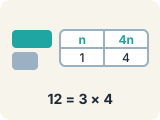
representación
representación
A picture or table that shows a problem.
ES Un dibujo o tabla que muestra un problema.

estrategia
estrategia
A plan for how to solve a problem.
ES Un plan para resolver un problema.
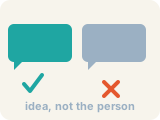
criticar constructivamente
criticar constructivamente
Look at an idea and say what works and what does not.
ES Revisar una idea y decir qué funciona y qué no.

acuerdo comunitario
acuerdo comunitario
A rule the whole class agrees to follow.
ES Una norma que toda la clase acepta cumplir.
Which word fits?¿Qué palabra encaja?
🎉 Quiz done!¡Prueba terminada!
First-try stars:Estrellas al primer intento:
Tap a word on the left, then tap its matching definition on the right! ¡Toca una palabra a la izquierda y su significado a la derecha!
Pick a game and play as a team. Nothing here is timed, and every game can be replayed as many times as you like. Escojan un juego y jueguen en equipo. Nada aquí tiene cronómetro, y pueden repetir cada juego cuantas veces quieran.
Try the recommended mission. Student: explain; partner: ask one question, then switch. Paper drawings work for every object. Prueba la misión recomendada. Estudiante: explica; acompañante: haz una pregunta, luego cambien. Puedes dibujar los objetos en papel.
One mission is enough. You can also work solo and explain in writing.Una misión es suficiente. También puedes trabajar a solas y explicar por escrito.
Choose a small problem to solve together: A tray holds 9 muffins, and a bakery has 5 trays. Say each step out loud: what do we know, what do we want to find, draw a picture, make a plan, solve, and check. Then name one thing you could try if you got stuck.
Elijan un problema pequeño para resolver juntos: una bandeja tiene 9 panecillos y una panadería tiene 5 bandejas. Digan cada paso en voz alta: qué sabemos, qué queremos hallar, dibujar una imagen, hacer un plan, resolver y comprobar. Luego nombren algo que podrían intentar si se atascan.
Show a labeled drawing, table, or equation. Your partner asks one question; working alone, write your explanation.
Muestra un dibujo con etiquetas, una tabla o una ecuación. Tu acompañante hace una pregunta; a solas, escribe tu explicación.
Choose ONE game. Quick Quiz practices this lesson; the other games review related skills. Play together or solo, without a timer. Elige UN juego. Reto rápido practica esta lección; los demás repasan temas relacionados. Juega acompañado o a solas, sin cronómetro.
Build a chain. The left side of each domino is the match for the problem on the end of the chain. Tap the domino that fits next. Armen una cadena. El lado izquierdo de cada ficha es la pareja del problema al final de la cadena. Toquen la ficha que encaja.
A student and a grown-up share one chain. Take turns placing, and switch coach and player each time. There is no winner and no timer.Un estudiante y un adulto comparten una cadena. Colocan fichas por turnos y cambian de entrenador y jugador cada vez. No hay ganador ni cronómetro.
🎉 Chain complete! The last problem links back to the first domino: a perfect loop.¡Cadena completa! El último problema conecta con la primera ficha: un círculo perfecto.
Take turns — student answers one, then a family member answers the next. Watch for the trick statements! Por turnos: el estudiante responde una y luego un familiar responde la siguiente. ¡Cuidado con las trampas!
Tap a card, then tap the bin it belongs in. Talk it through before you tap! Toquen una tarjeta y luego el cesto al que pertenece. ¡Conversen antes de tocar!
Everyone votes and says WHY. Then tap to see what the math says — sometimes it is a tie! Todos votan y dicen POR QUÉ. Luego toquen para ver qué dicen las matemáticas: ¡a veces es empate!
🔎 What the math saysLo que dicen las matemáticas
Reinforce tonight's topic with a quick family game. You ask; your student decides! Refuercen el tema de hoy con un juego rápido en familia. ¡Ustedes preguntan; su estudiante decide!
🎮 Play together! Use tonight's vocabulary words as you play! 🎮 ¡Jueguen juntos! ¡Usen las palabras del vocabulario de hoy mientras juegan!
The bigger review game for tonight's lesson — sort, match and choose. A wrong answer gives a hint and lets your student try again. No timer. El juego de repaso más grande para la lección de hoy — clasificar, emparejar y elegir. Si se equivocan, reciben una pista y lo intentan otra vez. Sin cronómetro.
Use this as a photobooth for the work itself: point the camera at tonight's notebook page, the scratchpad or the whiteboard and take the picture — or pose holding it up. Choose a frame, add stickers, then download it, print it, or add it to your optional reflection. The photo is never uploaded; it stays on this device. Úsenla como cabina de fotos del trabajo: apunten la cámara a la página del cuaderno, al borrador o a la pizarra y tomen la foto, o posen sosteniéndola. Elijan un marco, agreguen calcomanías y luego descárguenla, imprímanla o agréguenla a la reflexión opcional. La foto nunca se sube a internet; se queda en este dispositivo.
Camera Ready!¡Cámara lista!
Tap “Start Camera” to photograph tonight’s work, or use “Upload Work” below. The photo stays on this device.Toca “Iniciar Cámara” para fotografiar el trabajo de hoy, o usa “Subir Foto”. La foto se queda en este dispositivo.
Holding your open notebook or paper up next to your smile makes the best shot! You can also snap a photo of just your written work. ¡Sostener el cuaderno abierto junto a su sonrisa crea la mejor foto! También pueden tomar la foto solo de su trabajo escrito.
What is the problem asking, in your own words?
¿Qué pide el problema, en tus propias palabras?
What could you draw to see it?
¿Qué podrías dibujar para verlo?
What is one thing you could try next?
¿Qué es una cosa que podrías intentar ahora?
Here, let me just do it for you.
Ven, mejor lo hago yo por ti.
You should already know this.
Ya deberías saber esto.
There is only one right way to solve it.
Solo hay una manera correcta de resolverlo.
Family Math Studio
Lesson 1.6MPP.3
Math is Ours
Explain how you solve a problem and what to try when you get stuck.
NameDate
Tonight's spark
Two bike racks sit outside the rec center. One rack holds 8 bikes, and each bike has 2 wheels. The other rack has 6 times as many wheels. How many wheels are on the other rack?
Make a guess first: more than 50 wheels, or fewer?
Try it
Work it out on paper. Write one answer on each line.
What is the first step in solving a problem?
My answer
A rack holds 6 bikes. Each bike has 2 wheels. How many wheels are on the rack?
My answer
Which is a good way to get unstuck?
My answer
A shelf holds 9 cans. A pantry has 4 shelves just like it. How many cans are in the pantry?
My answer
One rack has 14 wheels. Another rack has 5 times as many wheels. How many wheels does the other rack have?
My answer
You solve 15 × 4 = 60. Which check shows the answer makes sense?
My answer
Talk about it
What did you do first to make sense of the problem, and what could you try if you got stuck?
Home mission
Set out 8 forks to be bikes. Give each fork 2 coins for wheels. Ask your student to say what the problem asks, then show the 16 wheels. Last, ask what your student could try next if the problem got hard.
If we get stuck, ask
Family Math Studio
Lección 1.6MPP.3
Las matemáticas son nuestras
Explicar cómo resuelves un problema y qué intentar cuando te atoras.
NombreFecha
La chispa de hoy
Dos soportes de bicicletas están afuera del centro recreativo. Un soporte tiene 8 bicicletas, y cada bicicleta tiene 2 ruedas. El otro soporte tiene 6 veces más ruedas. ¿Cuántas ruedas hay en el otro soporte?
Primero adivina: ¿más de 50 ruedas o menos?
Inténtalo
Resuélvelo en papel. Escribe una respuesta en cada línea.
¿Cuál es el primer paso para resolver un problema?
Mi respuesta
Un soporte tiene 6 bicicletas. Cada bicicleta tiene 2 ruedas. ¿Cuántas ruedas hay en el soporte?
Mi respuesta
¿Cuál es una buena manera de salir de un atasco?
Mi respuesta
Un estante tiene 9 latas. Una despensa tiene 4 estantes iguales. ¿Cuántas latas hay en la despensa?
Mi respuesta
Un soporte tiene 14 ruedas. Otro soporte tiene 5 veces más ruedas. ¿Cuántas ruedas tiene el otro soporte?
Mi respuesta
Resuelves 15 × 4 = 60. ¿Qué comprobación muestra que la respuesta tiene sentido?
Mi respuesta
Conversen
¿Qué hicieron primero para entender el problema y qué podrían intentar si se atascan?
Misión en casa
Pongan 8 tenedores como bicicletas. Den a cada tenedor 2 monedas como ruedas. Pidan a su estudiante que diga qué pide el problema y luego muestre las 16 ruedas. Por último, pregunten qué podría intentar su estudiante si el problema se pusiera difícil.
Si se atoran, pregunten