Touch and changeToca y cambia
Move, type, tap, or drag in the model. Watch what changes.Mueve, escribe, toca o arrastra en el modelo. Observa qué cambia.
Unit 5 · Solve Area, Surface Area, and Volume ProblemsUnidad 5 · Resolver problemas de área, área total y volumen
Price tagEtiqueta de precio
A rooftop garden bed is a regular decagon with 10 sides. It splits into 10 equal triangles. Each has a base of 3 feet and a height of 4 feet. Soil costs $5 per square foot. How much to fill the bed?Un jardín en la azotea tiene forma de decágono regular con 10 lados. Se divide en 10 triángulos iguales. Cada uno tiene base de 3 pies y altura de 4 pies. La tierra cuesta $5 por pie cuadrado. ¿Cuánto cuesta llenar el jardín?
Five short steps, about 15–20 minutes: watch the idea, try one together, solve 10 in three levels, check, celebrate.Cinco pasos cortos, unos 15–20 minutos: miren la idea, prueben uno juntos, resuelvan 10 en tres niveles, revisen y celebren.
Optional. No grades, no account. Your place is saved on this device.Opcional. Sin calificaciones ni cuenta. Su avance se guarda en este dispositivo.
Tonight's ideaLa idea de hoy Find the area of a regular polygon from its triangles, then use it to find a cost.Hallar el área de un polígono regular a partir de sus triángulos y usarla para hallar un costo.
💡 Draw fraction bars, tape diagrams, equations, or line up decimals together!💡 ¡Dibujen barras de fracciones, modelos o alineen decimales juntos!
Step 1 of 5Paso 1 de 5
Read the goal and look at the picture. Then go through the example one step at a time.Lean la meta y miren el dibujo. Luego sigan el ejemplo un paso a la vez.
Find the area of a regular polygon from its triangles, then use it to find a cost.
Hallar el área de un polígono regular a partir de sus triángulos y usarla para hallar un costo.
In class we usedEn clase usamos one triangle, then multiplyun triángulo y luego multiplicar.
Why it worksPor qué funciona Ten equal triangles added one by one and 6 × 10 both make 60, because multiplying is repeated adding. Multiplying keeps the count, 10, apart from the area, 6.Diez triángulos iguales sumados uno por uno y 6 × 10 dan 60, porque multiplicar es sumar varias veces. Multiplicar mantiene separados el conteo, 10, y el área, 6.
Your case:Su caso: Tonight we find the area of a regular polygon by splitting it into identical triangles — and then use that area to price a real job.Esta noche hallamos el área de un polígono regular dividiéndolo en triángulos idénticos — y luego usamos esa área para cotizar un trabajo real.
Tap a clue to read what it means.Toquen una pista para leer qué significa.
Look at the picture and the story. Say it out loud, or type a few words. There is no wrong answer here.Mira el dibujo y la historia. Dilo en voz alta o escribe unas palabras. Aquí no hay respuestas incorrectas.
Just for you. It stays on this device. We ask again at the end.Solo para ti. Se queda en este dispositivo. Preguntamos otra vez al final.
A regular hexagon splits into 6 triangles of 7 square units each. What is its area?Un hexágono regular se divide en 6 triángulos de 7 unidades cuadradas cada uno. ¿Cuál es su área?
Not yet. Try another look.Todavía no. Intenta otra mirada.
Repeat the triangle's area 6 times: 6 × 7 = 42.Repite el área del triángulo 6 veces: 6 × 7 = 42.
A triangle has a base of 10 and a height of 4. What is its area?Un triángulo tiene base de 10 y altura de 4. ¿Cuál es su área?
Not yet. Try another look.Todavía no. Intenta otra mirada.
A triangle is half of a rectangle. ½ × 10 × 4 = 20.Un triángulo es la mitad de un rectángulo. ½ × 10 × 4 = 20.
Step 2 of 5Paso 2 de 5
Do this one side by side. Use the model, and ask for a hint whenever you want one.Háganlo lado a lado. Usen el modelo y pidan una pista cuando quieran.
Try this one togetherPrueben este juntos
A regular hexagon patio splits into 6 congruent triangles, each with base 4 ft and height 3.5 ft. Stone costs $8 per square foot.Un patio hexagonal regular se divide en 6 triángulos congruentes, cada uno con base de 4 pies y altura de 3.5 pies. La piedra cuesta $8 por pie cuadrado.
Find the area of one triangle.Hallen el área de un triángulo.
½ × 4 × 3.5 = 7 square feet.½ × 4 × 3.5 = 7 pies cuadrados.
Use the triangle formula exactly as always — the ½ still applies.Usen la fórmula del triángulo como siempre — el ½ sigue aplicando.
Find the area of the whole patio.Hallen el área de todo el patio.
7 × 6 sides = 42 square feet.7 × 6 lados = 42 pies cuadrados.
Six identical triangles means six times one of them.Seis triángulos idénticos significa seis veces uno de ellos.
What will the stone cost?¿Cuánto costará la piedra?
42 × $8 = $336.42 × $8 = $336.
Multiply the square feet by the price for one square foot.Multipliquen los pies cuadrados por el precio de un pie cuadrado.
Compare surface area and volume as you change the prism dimensions.Compara el área superficial y el volumen mientras cambias las dimensiones del prisma.
Change one value. Watch what changes in the picture and answer.Cambia un valor. Mira qué cambia en el dibujo y la respuesta. Say: “When ___ changes, ___ changes.”Di: “Cuando ___ cambia, ___ cambia.”
Before you go on: say one thing the model showed you.Antes de seguir: digan una cosa que les mostró el modelo.
Change the shape or its measurements. Find the area in square units.Cambia la figura o sus medidas. Halla el área en unidades cuadradas.
Move, type, tap, or drag in the model. Watch what changes.Mueve, escribe, toca o arrastra en el modelo. Observa qué cambia.
Record one equation, value, or relationship you can see.Escribe una ecuación, un valor o una relación que puedas ver.
I notice ___ changes when ___ changes. This shows ___.Noto que ___ cambia cuando ___ cambia. Esto muestra ___.
Ask: "Where do you see the numbers from tonight's math in this model?"Pregunta: "¿Dónde ves los números de la tarea de hoy en este modelo?"
Find the area of a regular polygon from its triangles, then use it to find a cost.
Hallar el área de un polígono regular a partir de sus triángulos y usarla para hallar un costo.
A regular polygon splits from its center into one identical triangle per side. Find ONE triangle's area, then MULTIPLY by the number of sides. Multiply, never add — adding the number of sides mixes a count with an area.
Un polígono regular se divide desde su centro en un triángulo idéntico por lado. Halla el área de UN triángulo, y luego MULTIPLICA por el número de lados. Multiplica, nunca sumes — sumar el número de lados mezcla un conteo con un área.
Split the decagon from its center: 10 matching triangles, each with base 3 ft and height 4 ft.
Divide el decágono desde el centro: 10 triángulos iguales, cada uno con base de 3 pies y altura de 4 pies.
Find ONE triangle's area: ½ × 3 × 4 = 6 square feet.
Halla el área de UN triángulo: ½ × 3 × 4 = 6 pies cuadrados.
Multiply by the number of sides: 6 × 10 = 60 square feet for the whole bed.
Multiplica por el número de lados: 6 × 10 = 60 pies cuadrados para toda la jardinera.
Multiply by the price: 60 × $5 = $300 of soil to fill the bed.
Multiplica por el precio: 60 × $5 = $300 de tierra para llenar la jardinera.
Listen for "regular polygon" (polígono regular) — all sides the same length and all angles the same.
Escuchen "polígono regular" — todos los lados del mismo largo y todos los ángulos iguales.
Total area is one triangle's area TIMES the number of sides, not plus it. And one triangle alone is not the answer.
El área total es el área de un triángulo POR el número de lados, no más él. Y un triángulo solo no es la respuesta.
Ask which number is the area and which is the price. Multiplying the two only works in that order once.
Pregunten qué número es el área y cuál el precio. Multiplicar los dos solo funciona una vez en ese orden.
Step 3 of 5Paso 3 de 5
One at a time. Work on your own; a grown-up can watch.Uno a la vez. Trabaja solo; un adulto puede observar.
10 problems. Hints are always okay. 10 problemas. Las pistas siempre están bien.
+0 bonusextraEqual pieces combine by repeated addition, which is multiplication.
Las piezas iguales se combinan con suma repetida, que es multiplicación.
How many triangles fill the polygon?
¿Cuántos triángulos llenan el polígono?
8 × 6 gives the area: 6 equal triangles of 8 each.
8 × 6 da el área: 6 triángulos iguales de 8 cada uno.
A regular polygon has 6 sides. One triangle in it has an area of 8. How do you find the polygon's area?Un polígono regular tiene 6 lados. Un triángulo dentro de él tiene un área de 8. ¿Cómo hallas el área del polígono?
Answer key for families — compare, then talk about why.Clave de respuestas para la familia — comparen y hablen del porqué.
Not tried yet? Close this and give it one try first. A wrong first try still helps.¿Todavía no lo intentaron? Ciérrenla y hagan un intento primero. Un primer intento equivocado también ayuda.
Why:Por qué: 8 × 6 gives the area: 6 equal triangles of 8 each.8 × 6 da el área: 6 triángulos iguales de 8 cada uno.
Use half of the base times the height.
Usa la mitad de la base por la altura.
Find one triangle first.
Halla primero un triángulo.
36 m²: one triangle is ½ × 4 × 3 = 6, and 6 × 6 = 36.
36 m²: un triángulo es ½ × 4 × 3 = 6 y 6 × 6 = 36.
A hexagon patio is 6 triangles. Each triangle has a base of 4 m and a height of 3 m. What is the patio's area?Un patio hexagonal tiene 6 triángulos. Cada triángulo tiene base 4 m y altura 3 m. ¿Cuál es el área del patio?
Answer key for families — compare, then talk about why.Clave de respuestas para la familia — comparen y hablen del porqué.
Not tried yet? Close this and give it one try first. A wrong first try still helps.¿Todavía no lo intentaron? Ciérrenla y hagan un intento primero. Un primer intento equivocado también ayuda.
Why:Por qué: 36 m²: one triangle is ½ × 4 × 3 = 6, and 6 × 6 = 36.36 m²: un triángulo es ½ × 4 × 3 = 6 y 6 × 6 = 36.
Adding the number of sides to the triangle's area. The polygon's area is the triangle's area multiplied by the number of triangles.
Sumar el número de lados al área del triángulo. El área del polígono es el área del triángulo multiplicada por el número de triángulos.
One triangle is ½ × ___ × ___ = ___. With ___ triangles the area is ___, and the cost is ___.
Un triángulo es ½ × ___ × ___ = ___. Con ___ triángulos el área es ___ y el costo es ___.
One triangle is ½ × 8 × 5.5 = 22. Five triangles make 5 × 22 = 110 square feet. At $4 each: 110 × 4 = $440.
Un triángulo es ½ × 8 × 5.5 = 22. Cinco triángulos suman 5 × 22 = 110 pies cuadrados. A $4 cada uno: 110 × 4 = $440.
A playground pad is a regular pentagon. It splits into 5 equal triangles. Each has a base of 8 feet and a height of 5.5 feet. The pad costs $4 per square foot. What is the cost?Un piso de juegos es un pentágono regular. Se divide en 5 triángulos iguales. Cada uno tiene base de 8 pies y altura de 5.5 pies. El piso cuesta $4 por pie cuadrado. ¿Cuál es el costo?
Answer key for families — compare, then talk about why.Clave de respuestas para la familia — comparen y hablen del porqué.
Not tried yet? Close this and give it one try first. A wrong first try still helps.¿Todavía no lo intentaron? Ciérrenla y hagan un intento primero. Un primer intento equivocado también ayuda.
Why:Por qué: One triangle is ½ × 8 × 5.5 = 22. Five triangles make 5 × 22 = 110 square feet. At $4 each: 110 × 4 = $440.Un triángulo es ½ × 8 × 5.5 = 22. Cinco triángulos suman 5 × 22 = 110 pies cuadrados. A $4 cada uno: 110 × 4 = $440.
Equal parts combine by multiplying.
Las partes iguales se combinan multiplicando.
How many triangles, and how big is each?
¿Cuántos triángulos hay y qué tan grande es cada uno?
40 m²: 8 × 5 = 40.
40 m²: 8 × 5 = 40.
A regular octagon splits into 8 identical triangles of 5 m² each. What is its area?Un octágono regular se divide en 8 triángulos idénticos de 5 m² cada uno. ¿Cuál es su área?
Answer key for families — compare, then talk about why.Clave de respuestas para la familia — comparen y hablen del porqué.
Not tried yet? Close this and give it one try first. A wrong first try still helps.¿Todavía no lo intentaron? Ciérrenla y hagan un intento primero. Un primer intento equivocado también ayuda.
Why:Por qué: 40 m²: 8 × 5 = 40.
Total cost is the price times the number of square meters.
El costo total es el precio por el número de metros cuadrados.
Each square meter costs the same. How many square meters are there?
Cada metro cuadrado cuesta lo mismo. ¿Cuántos metros cuadrados hay?
$144: 36 × 4 = 144.
$144: 36 × 4 = 144.
The patio is 36 m². Tile costs $4 per square meter. How much will the tile cost?El patio es de 36 m². La loseta cuesta $4 por metro cuadrado. ¿Cuánto costará la loseta?
Answer key for families — compare, then talk about why.Clave de respuestas para la familia — comparen y hablen del porqué.
Not tried yet? Close this and give it one try first. A wrong first try still helps.¿Todavía no lo intentaron? Ciérrenla y hagan un intento primero. Un primer intento equivocado también ayuda.
Why:Por qué: $144: 36 × 4 = 144.
Total cost = price per square foot × square feet.
Costo total = precio por pie cuadrado × pies cuadrados.
What is charged for each square foot?
¿Cuánto se cobra por cada pie cuadrado?
$120: 60 × 2 = 120.
$120: 60 × 2 = 120.
A pentagon design has an area of 60 square feet. Paint costs $2 per square foot. What is the cost?Un diseño pentagonal tiene un área de 60 pies cuadrados. La pintura cuesta $2 por pie cuadrado. ¿Cuál es el costo?
Answer key for families — compare, then talk about why.Clave de respuestas para la familia — comparen y hablen del porqué.
Not tried yet? Close this and give it one try first. A wrong first try still helps.¿Todavía no lo intentaron? Ciérrenla y hagan un intento primero. Un primer intento equivocado también ayuda.
Why:Por qué: $120: 60 × 2 = 120.
Find the sign's area before using the price.
Halla el área del letrero antes de usar el precio.
How many steps are there: triangle, whole sign, then cost?
¿Cuántos pasos hay: triángulo, letrero completo y luego costo?
$90: one triangle is ½ × 2 × 5 = 5, six triangles are 30, and 30 × 3 = 90.
$90: un triángulo es ½ × 2 × 5 = 5, seis triángulos son 30 y 30 × 3 = 90.
A hexagon sign is made of 6 triangles. Each has a base of 2 and a height of 5. Vinyl costs $3 per square unit. How much is the vinyl for the sign?Un letrero hexagonal está hecho de 6 triángulos. Cada uno tiene base 2 y altura 5. El vinilo cuesta $3 por unidad cuadrada. ¿Cuánto cuesta el vinilo del letrero?
Answer key for families — compare, then talk about why.Clave de respuestas para la familia — comparen y hablen del porqué.
Not tried yet? Close this and give it one try first. A wrong first try still helps.¿Todavía no lo intentaron? Ciérrenla y hagan un intento primero. Un primer intento equivocado también ayuda.
Why:Por qué: $90: one triangle is ½ × 2 × 5 = 5, six triangles are 30, and 30 × 3 = 90.$90: un triángulo es ½ × 2 × 5 = 5, seis triángulos son 30 y 30 × 3 = 90.
Easier problems to practice the idea. Do these first together. Problemas más fáciles para practicar la idea. Hagan estos primero juntos.
4 × 3.5 = 14.
4 × 3.5 = 14.
Triangle area = ½ × base × height.
Área del triángulo = ½ × base × altura.
½ × 4 × 3.5 = 7 square feet. 14 forgets the ½; 7.5 adds 4 + 3.5; 42 is the whole patio, not one triangle.
½ × 4 × 3.5 = 7 pies cuadrados. 14 olvida el ½; 7.5 suma 4 + 3.5; 42 es todo el patio, no un triángulo.
A regular hexagon patio splits into 6 congruent triangles, each with base 4 ft and height 3.5 ft. What is the area of ONE triangle?Un patio con forma de hexágono regular se divide en 6 triángulos congruentes, cada uno con base 4 pies y altura 3.5 pies. ¿Cuál es el área de UN triángulo?
Answer key for families — compare, then talk about why.Clave de respuestas para la familia — comparen y hablen del porqué.
Not tried yet? Close this and give it one try first. A wrong first try still helps.¿Todavía no lo intentaron? Ciérrenla y hagan un intento primero. Un primer intento equivocado también ayuda.
Why:Por qué: ½ × 4 × 3.5 = 7 square feet. 14 forgets the ½; 7.5 adds 4 + 3.5; 42 is the whole patio, not one triangle.½ × 4 × 3.5 = 7 pies cuadrados. 14 olvida el ½; 7.5 suma 4 + 3.5; 42 es todo el patio, no un triángulo.
That is 28 cm².
Eso es 28 cm².
One triangle: ½ × 8 × 7.
Un triángulo: ½ × 8 × 7.
½ × 8 × 7 = 28 cm² per triangle, and 28 × 6 = 168 cm². 336 forgets the ½; 28 is one triangle; 34 adds 6 to 28.
½ × 8 × 7 = 28 cm² por triángulo, y 28 × 6 = 168 cm². 336 olvida el ½; 28 es un triángulo; 34 suma 6 a 28.
A regular hexagon is decomposed into 6 identical triangles, each with base 8 cm and height 7 cm. What is the hexagon's area?Un hexágono regular se descompone en 6 triángulos idénticos, cada uno con base 8 cm y altura 7 cm. ¿Cuál es el área del hexágono?
Answer key for families — compare, then talk about why.Clave de respuestas para la familia — comparen y hablen del porqué.
Not tried yet? Close this and give it one try first. A wrong first try still helps.¿Todavía no lo intentaron? Ciérrenla y hagan un intento primero. Un primer intento equivocado también ayuda.
Why:Por qué: ½ × 8 × 7 = 28 cm² per triangle, and 28 × 6 = 168 cm². 336 forgets the ½; 28 is one triangle; 34 adds 6 to 28.½ × 8 × 7 = 28 cm² por triángulo, y 28 × 6 = 168 cm². 336 olvida el ½; 28 es un triángulo; 34 suma 6 a 28.
Ten triangles: 6 × 10 = 60 sq ft.
Diez triángulos: 6 × 10 = 60 pies².
One triangle: ½ × 3 × 4 = 6 sq ft.
Un triángulo: ½ × 3 × 4 = 6 pies².
6 × 10 = 60 square feet, and 60 × $5 = $300. $600 forgets the ½ in the triangle formula; $30 prices only one triangle; $80 adds 10 to 6 before pricing.
6 × 10 = 60 pies cuadrados, y 60 × $5 = $300. $600 olvida el ½ de la fórmula del triángulo; $30 cobra solo un triángulo; $80 suma 10 a 6 antes de cobrar.
A rooftop garden bed is a regular decagon (10 sides) made of 10 congruent triangles, each with base 3 ft and height 4 ft. Soil and plants cost $5 per square foot. What is the total cost?Un cantero de azotea es un decágono regular (10 lados) formado por 10 triángulos congruentes, cada uno con base 3 pies y altura 4 pies. La tierra y las plantas cuestan $5 por pie cuadrado. ¿Cuál es el costo total?
Answer key for families — compare, then talk about why.Clave de respuestas para la familia — comparen y hablen del porqué.
Not tried yet? Close this and give it one try first. A wrong first try still helps.¿Todavía no lo intentaron? Ciérrenla y hagan un intento primero. Un primer intento equivocado también ayuda.
Why:Por qué: 6 × 10 = 60 square feet, and 60 × $5 = $300. $600 forgets the ½ in the triangle formula; $30 prices only one triangle; $80 adds 10 to 6 before pricing.6 × 10 = 60 pies cuadrados, y 60 × $5 = $300. $600 olvida el ½ de la fórmula del triángulo; $30 cobra solo un triángulo; $80 suma 10 a 6 antes de cobrar.
Try these once the warm-up feels easy. It's okay to use the steps and pictures. Intenten estos cuando el calentamiento sea fácil. Está bien usar los pasos y los dibujos.
Eight of them: × 8.
Ocho de ellos: × 8.
One triangle: ½ × 6 × 7.
Un triángulo: ½ × 6 × 7.
One triangle: ½ × 6 × 7 = 21 square inches. The octagon is 8 of those, so 21 × 8 = 168 square inches. Paint: 168 × $0.50 = $84. You multiply by 8 because the sign is made of 8 copies of the same 21-square-inch triangle — 21 + 21 + … eight times. Adding 8 to 21 would mix a COUNT of triangles with an AREA, giving 29 square inches, which is not even as big as two triangles.
Un triángulo: ½ × 6 × 7 = 21 pulgadas cuadradas. El octágono son 8 de esos, así que 21 × 8 = 168 pulgadas cuadradas. Pintura: 168 × $0.50 = $84. Multiplicas por 8 porque el letrero está hecho de 8 copias del mismo triángulo de 21 pulgadas cuadradas — 21 + 21 + … ocho veces. Sumar 8 a 21 mezclaría un CONTEO de triángulos con un ÁREA, dando 29 pulgadas cuadradas, que ni siquiera es tanto como dos triángulos.
A regular octagon (8 sides) sign is made of 8 congruent triangles, each with base 6 inches and height 7 inches. Paint costs $0.50 per square inch. Find the area of the sign and the cost of the paint. Then explain why you MULTIPLY one triangle's area by 8 instead of adding 8.Un letrero con forma de octágono regular (8 lados) está formado por 8 triángulos congruentes, cada uno con base 6 pulgadas y altura 7 pulgadas. La pintura cuesta $0.50 por pulgada cuadrada. Halla el área del letrero y el costo de la pintura. Luego explica por qué MULTIPLICAS el área de un triángulo por 8 en vez de sumar 8.
Answer key for families — compare, then talk about why.Clave de respuestas para la familia — comparen y hablen del porqué.
Not tried yet? Close this and give it one try first. A wrong first try still helps.¿Todavía no lo intentaron? Ciérrenla y hagan un intento primero. Un primer intento equivocado también ayuda.
Sample answer:Respuesta de ejemplo: One triangle: ½ × 6 × 7 = 21 square inches. The octagon is 8 of those, so 21 × 8 = 168 square inches. Paint: 168 × $0.50 = $84. You multiply by 8 because the sign is made of 8 copies of the same 21-square-inch triangle — 21 + 21 + … eight times. Adding 8 to 21 would mix a COUNT of triangles with an AREA, giving 29 square inches, which is not even as big as two triangles.Un triángulo: ½ × 6 × 7 = 21 pulgadas cuadradas. El octágono son 8 de esos, así que 21 × 8 = 168 pulgadas cuadradas. Pintura: 168 × $0.50 = $84. Multiplicas por 8 porque el letrero está hecho de 8 copias del mismo triángulo de 21 pulgadas cuadradas — 21 + 21 + … ocho veces. Sumar 8 a 21 mezclaría un CONTEO de triángulos con un ÁREA, dando 29 pulgadas cuadradas, que ni siquiera es tanto como dos triángulos.
42 square feet × $8.
42 pies cuadrados × $8.
'Per square foot' means EACH square foot costs $8.
'Por pie cuadrado' significa que CADA pie cuadrado cuesta $8.
Every one of the 42 square feet costs $8, so the total is 42 × 8 = $336. Adding, subtracting or dividing all misread 'per square foot', which is a rate that multiplies.
Cada uno de los 42 pies cuadrados cuesta $8, así que el total es 42 × 8 = $336. Sumar, restar o dividir malinterpretan 'por pie cuadrado', que es una tasa que multiplica.
Stone for the 42-square-foot hexagon patio costs $8 per square foot. A student writes 42 + 8 = $50. What is the correct cost, and what was the error?La piedra para el patio hexagonal de 42 pies cuadrados cuesta $8 por pie cuadrado. Un estudiante escribe 42 + 8 = $50. ¿Cuál es el costo correcto, y cuál fue el error?
Answer key for families — compare, then talk about why.Clave de respuestas para la familia — comparen y hablen del porqué.
Not tried yet? Close this and give it one try first. A wrong first try still helps.¿Todavía no lo intentaron? Ciérrenla y hagan un intento primero. Un primer intento equivocado también ayuda.
Why:Por qué: Every one of the 42 square feet costs $8, so the total is 42 × 8 = $336. Adding, subtracting or dividing all misread 'per square foot', which is a rate that multiplies.Cada uno de los 42 pies cuadrados cuesta $8, así que el total es 42 × 8 = $336. Sumar, restar o dividir malinterpretan 'por pie cuadrado', que es una tasa que multiplica.
MULTIPLY one triangle's area by 6.
MULTIPLICA el área de un triángulo por 6.
Six identical triangles make the hexagon.
Seis triángulos idénticos forman el hexágono.
7 × 6 = 42 square feet. 13 ADDS the number of sides to the area — mixing a count with an area; 7 is one triangle; 36 is 6².
7 × 6 = 42 pies cuadrados. 13 SUMA el número de lados al área — mezcla un conteo con un área; 7 es un triángulo; 36 es 6².
Each of the hexagon's 6 triangles has an area of 7 square feet. What is the area of the whole patio?Cada uno de los 6 triángulos del hexágono tiene un área de 7 pies cuadrados. ¿Cuál es el área de todo el patio?
Answer key for families — compare, then talk about why.Clave de respuestas para la familia — comparen y hablen del porqué.
Not tried yet? Close this and give it one try first. A wrong first try still helps.¿Todavía no lo intentaron? Ciérrenla y hagan un intento primero. Un primer intento equivocado también ayuda.
Why:Por qué: 7 × 6 = 42 square feet. 13 ADDS the number of sides to the area — mixing a count with an area; 7 is one triangle; 36 is 6².7 × 6 = 42 pies cuadrados. 13 SUMA el número de lados al área — mezcla un conteo con un área; 7 es un triángulo; 36 es 6².
Step 4 of 5Paso 4 de 5
See what each answer shows. Fix one, then try a fresh one.Vean qué muestra cada respuesta. Corrijan una y prueben una nueva.
Finish Your Turn first. Then this page shows what each answer tells us.Primero terminen Tu turno. Luego esta página muestra qué nos dice cada respuesta.
Step 5 of 5Paso 5 de 5
Celebrate what you did, see what it showed, then take one next step or stop here.Celebren lo que hicieron, vean lo que mostró y den un siguiente paso o paren aquí.
Saved only on this device. Your teacher has not received it.Se guarda solo en este dispositivo. Su maestro o maestra no lo ha recibido.
The last stepEl último paso
Compare it with how you felt at the start.Compáralo con cómo te sentías al empezar.
Weekends never break it. Saved only on this device.Los fines de semana no la interrumpen. Se guarda solo en este dispositivo.
Name one strategy that helped, or one question to ask next time. You can stop here; no adult signature is needed.
Di una estrategia que te ayudó o una pregunta para la próxima vez. Puedes terminar aquí; no necesitas la firma de un adulto.
Answers save automatically on this device. Tap Check This Problem anytime. Las respuestas se guardan solas en este dispositivo. Toquen Revisar esta pregunta cuando quieran.
These extras are not required. Photos, recordings and reflections stay on this device. To send anything to Mr. Neft, use ClassDojo.Estos extras no son obligatorios. Las fotos, grabaciones y reflexiones quedan en este dispositivo. Para enviar algo al Sr. Neft, usa ClassDojo.
Saved on:Guardado el:
🔥 1-Night StreakRacha de 1 noche
Question draft (not sent):Borrador de pregunta (no enviado):
Family reflection:Reflexión familiar:
Student Work Photo:Foto del trabajo:
Student Voice Memo:Nota de voz del estudiante:
A personal record of practice for . Saved on this device; not submitted to the teacher.
Practice partner (optional)
Date
Ask at the table
Why do you multiply one triangle's area by the number of sides instead of adding?
Try it together
Draw a hexagon on paper and split it into 6 triangles from the center. Pretend each triangle has a base of 6 and a height of 5. Find one triangle's area, multiply by 6, then multiply by $2 per square unit to price the tile.
To start talking
One triangle is ½ × ___ × ___ = ___. With ___ triangles the area is ___, and the cost is ___.
Pregunten en la mesa
¿Por qué multiplican el área de un triángulo por el número de lados en vez de sumar?
Prueben juntos
Dibujen un hexágono en papel y divídanlo en 6 triángulos desde el centro. Imaginen que cada triángulo tiene base 6 y altura 5. Hallen el área de un triángulo, multipliquen por 6 y luego por $2 por unidad cuadrada para calcular el precio de la loseta.
Para empezar a hablar
Un triángulo es ½ × ___ × ___ = ___. Con ___ triángulos el área es ___ y el costo es ___.
Why do you multiply one triangle's area by the number of sides instead of adding?¿Por qué multiplican el área de un triángulo por el número de lados en vez de sumar?
Start your answer like this:Empiecen su respuesta así: One triangle is ½ × ___ × ___ = ___. With ___ triangles the area is ___, and the cost is ___.Un triángulo es ½ × ___ × ___ = ___. Con ___ triángulos el área es ___ y el costo es ___.
A strong answer sounds like:Una respuesta sólida suena así: In class we find one triangle, ½ × 3 × 4 = 6 square feet, then multiply by the 10 sides: 6 × 10 = 60. Soil at $5 a square foot costs $300.En clase hallamos un triángulo, ½ × 3 × 4 = 6 pies cuadrados, y multiplicamos por los 10 lados: 6 × 10 = 60. La tierra a $5 el pie cuadrado cuesta $300.
No grown-up nearby? Say your answer out loud to yourself, then write one sentence that proves it. Either language is fine.¿No hay un adulto cerca? Di tu respuesta en voz alta y escribe una oración que la pruebe. Sirve cualquiera de los dos idiomas.
Adding the number of sides to the triangle's area. The polygon's area is the triangle's area multiplied by the number of triangles. Sumar el número de lados al área del triángulo. El área del polígono es el área del triángulo multiplicada por el número de triángulos.
A different situation: A regular octagon rug splits into 8 equal triangles. Each has a base of 3 ft and a height of 4 ft. Rug pad costs $2 per square foot.Otra situación: Un tapete en forma de octágono regular se divide en 8 triángulos iguales. Cada uno tiene base de 3 pies y altura de 4 pies. La base antideslizante cuesta $2 por pie cuadrado.
Tap the step where the thinking went off track. Then explain why.Toca el paso donde el razonamiento se desvió. Luego explica por qué.
Not yet. Try another look.Todavía no. Intenta otra mirada.
How to fix it:Cómo corregirlo: The 8 counts triangles, so multiply: 8 × 6 = 48 square feet. Then 48 × $2 = $96.El 8 cuenta triángulos, así que se multiplica: 8 × 6 = 48 pies cuadrados. Entonces 48 × $2 = $96.
Say it out loud:Dilo en voz alta: I multiply the triangle's area by ___ because there are ___ triangles.Multiplico el área del triángulo por ___ porque hay ___ triángulos.
Hexagon patio tiles, octagon-shaped signs and gazebo floors are regular polygons. Workers find one triangle's area, multiply by the number of sides, then multiply by the price per square unit. Las losetas hexagonales de un patio, los letreros octagonales y los pisos de un quiosco son polígonos regulares. Se halla el área de un triángulo, se multiplica por el número de lados y luego por el precio por unidad cuadrada.
Try it at homePruébenlo en casa
Draw a hexagon on paper and split it into 6 triangles from the center. Pretend each triangle has a base of 6 and a height of 5. Find one triangle's area, multiply by 6, then multiply by $2 per square unit to price the tile.Dibujen un hexágono en papel y divídanlo en 6 triángulos desde el centro. Imaginen que cada triángulo tiene base 6 y altura 5. Hallen el área de un triángulo, multipliquen por 6 y luego por $2 por unidad cuadrada para calcular el precio de la loseta.
Tonight's mystery challengeEl reto misterioso de hoy
Each of the hexagon's 6 triangles has an area of 7 square feet. What is the area of the whole patio?Cada uno de los 6 triángulos del hexágono tiene un área de 7 pies cuadrados. ¿Cuál es el área de todo el patio?
Locked. Finish 10 problems and it opens. Bloqueado. Termina 10 problemas y se abre.
1. Tap a card to flip it. 2. Play the quiz. 3. Match the words. 1. Toca una tarjeta para voltearla. 2. Haz la prueba. 3. Empareja las palabras.
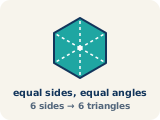
Polígono regular
Polígono regular
A closed shape with equal sides and equal angles.
ES Una figura cerrada con lados iguales y ángulos iguales.
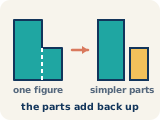
Descomponer
Descomponer
Break a number or shape into smaller parts.
ES Separar un número o una figura en partes más pequeñas.

Triángulo
Triángulo
A shape with three sides.
ES Una figura de tres lados.
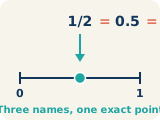
Congruente
Congruente
Exactly the same size and shape.
ES Exactamente del mismo tamaño y forma.
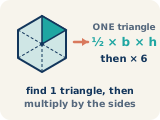
Área de polígonos regulares
Área de polígonos regulares
Split it into equal triangles, then add their areas.
ES Divídelo en triángulos iguales y suma sus áreas.
Which word fits?¿Qué palabra encaja?
🎉 Quiz done!¡Prueba terminada!
First-try stars:Estrellas al primer intento:
Tap a word on the left, then tap its matching definition on the right! ¡Toca una palabra a la izquierda y su significado a la derecha!
Pick a game and play as a team. Nothing here is timed, and every game can be replayed as many times as you like. Escojan un juego y jueguen en equipo. Nada aquí tiene cronómetro, y pueden repetir cada juego cuantas veces quieran.
Try the recommended mission. Student: explain; partner: ask one question, then switch. Paper drawings work for every object. Prueba la misión recomendada. Estudiante: explica; acompañante: haz una pregunta, luego cambien. Puedes dibujar los objetos en papel.
One mission is enough. You can also work solo and explain in writing.Una misión es suficiente. También puedes trabajar a solas y explicar por escrito.
Draw a hexagon on paper and split it into 6 triangles from the center. Pretend each triangle has a base of 6 and a height of 5. Find one triangle's area, multiply by 6, then multiply by $2 per square unit to price the tile.
Dibujen un hexágono en papel y divídanlo en 6 triángulos desde el centro. Imaginen que cada triángulo tiene base 6 y altura 5. Hallen el área de un triángulo, multipliquen por 6 y luego por $2 por unidad cuadrada para calcular el precio de la loseta.
Show a labeled drawing, table, or equation. Your partner asks one question; working alone, write your explanation.
Muestra un dibujo con etiquetas, una tabla o una ecuación. Tu acompañante hace una pregunta; a solas, escribe tu explicación.
Choose ONE game. Quick Quiz practices this lesson; the other games review related skills. Play together or solo, without a timer. Elige UN juego. Reto rápido practica esta lección; los demás repasan temas relacionados. Juega acompañado o a solas, sin cronómetro.
Build a chain. The left side of each domino is the match for the problem on the end of the chain. Tap the domino that fits next. Armen una cadena. El lado izquierdo de cada ficha es la pareja del problema al final de la cadena. Toquen la ficha que encaja.
A student and a grown-up share one chain. Take turns placing, and switch coach and player each time. There is no winner and no timer.Un estudiante y un adulto comparten una cadena. Colocan fichas por turnos y cambian de entrenador y jugador cada vez. No hay ganador ni cronómetro.
🎉 Chain complete! The last problem links back to the first domino: a perfect loop.¡Cadena completa! El último problema conecta con la primera ficha: un círculo perfecto.
Take turns — student answers one, then a family member answers the next. Watch for the trick statements! Por turnos: el estudiante responde una y luego un familiar responde la siguiente. ¡Cuidado con las trampas!
Tap a card, then tap the bin it belongs in. Talk it through before you tap! Toquen una tarjeta y luego el cesto al que pertenece. ¡Conversen antes de tocar!
Everyone votes and says WHY. Then tap to see what the math says — sometimes it is a tie! Todos votan y dicen POR QUÉ. Luego toquen para ver qué dicen las matemáticas: ¡a veces es empate!
🔎 What the math saysLo que dicen las matemáticas
Reinforce tonight's topic with a quick family game. You ask; your student decides! Refuercen el tema de hoy con un juego rápido en familia. ¡Ustedes preguntan; su estudiante decide!
🎮 Play together! Area = base × height (watch units!). 🎮 ¡Jueguen juntos! Área = base × altura (¡cuidado con las unidades!).
The bigger review game for tonight's lesson — sort, match and choose. A wrong answer gives a hint and lets your student try again. No timer. El juego de repaso más grande para la lección de hoy — clasificar, emparejar y elegir. Si se equivocan, reciben una pista y lo intentan otra vez. Sin cronómetro.
Use this as a photobooth for the work itself: point the camera at tonight's notebook page, the scratchpad or the whiteboard and take the picture — or pose holding it up. Choose a frame, add stickers, then download it, print it, or add it to your optional reflection. The photo is never uploaded; it stays on this device. Úsenla como cabina de fotos del trabajo: apunten la cámara a la página del cuaderno, al borrador o a la pizarra y tomen la foto, o posen sosteniéndola. Elijan un marco, agreguen calcomanías y luego descárguenla, imprímanla o agréguenla a la reflexión opcional. La foto nunca se sube a internet; se queda en este dispositivo.
Camera Ready!¡Cámara lista!
Tap “Start Camera” to photograph tonight’s work, or use “Upload Work” below. The photo stays on this device.Toca “Iniciar Cámara” para fotografiar el trabajo de hoy, o usa “Subir Foto”. La foto se queda en este dispositivo.
Holding your open notebook or paper up next to your smile makes the best shot! You can also snap a photo of just your written work. ¡Sostener el cuaderno abierto junto a su sonrisa crea la mejor foto! También pueden tomar la foto solo de su trabajo escrito.
How many identical triangles does this shape split into?
¿En cuántos triángulos idénticos se divide esta figura?
Did you find one triangle, or the whole shape?
¿Hallaste un triángulo, o toda la figura?
What does the price tell us we multiply by?
¿Por cuánto nos dice el precio que multipliquemos?
Add the number of sides to the triangle's area.
Suma el número de lados al área del triángulo.
One triangle's area is the answer.
El área de un triángulo es la respuesta.
The cost per square foot is the total cost.
El costo por pie cuadrado es el costo total.
Family Math Studio
Lesson 5.9 · Session 26.GR.1
Area of Regular Polygons
Find the area of a regular polygon from its triangles, then use it to find a cost.
NameDate
Tonight's spark
A rooftop garden bed is a regular decagon with 10 sides. It splits into 10 equal triangles. Each has a base of 3 feet and a height of 4 feet. Soil costs $5 per square foot. How much to fill the bed?
Guess first: is it more than $200, or less?
Try it
Work it out on paper. Write one answer on each line.
A regular polygon has 6 sides. One triangle in it has an area of 8. How do you find the polygon's area?
My answer
A regular octagon splits into 8 identical triangles of 5 m² each. What is its area?
My answer
A hexagon patio is 6 triangles. Each triangle has a base of 4 m and a height of 3 m. What is the patio's area?
My answer
The patio is 36 m². Tile costs $4 per square meter. How much will the tile cost?
My answer
A pentagon design has an area of 60 square feet. Paint costs $2 per square foot. What is the cost?
My answer
Talk about it
Why do you multiply one triangle's area by the number of sides instead of adding?
Home mission
Pick a plate or a rug and imagine it as a hexagon of 6 triangles. If one triangle is 5 square units and tile costs $2 per unit, how would you find the cost out loud?
If we get stuck, ask
Family Math Studio
Lección 5.9 · Sesión 26.GR.1
Calcular el costo de un diseño de polígono regular
Hallar el área de un polígono regular a partir de sus triángulos y usarla para hallar un costo.
NombreFecha
La chispa de hoy
Un jardín en la azotea tiene forma de decágono regular con 10 lados. Se divide en 10 triángulos iguales. Cada uno tiene base de 3 pies y altura de 4 pies. La tierra cuesta $5 por pie cuadrado. ¿Cuánto cuesta llenar el jardín?
Primero adivina: ¿cuesta más de $200 o menos?
Inténtalo
Resuélvelo en papel. Escribe una respuesta en cada línea.
Un polígono regular tiene 6 lados. Un triángulo dentro de él tiene un área de 8. ¿Cómo hallas el área del polígono?
Mi respuesta
Un octágono regular se divide en 8 triángulos idénticos de 5 m² cada uno. ¿Cuál es su área?
Mi respuesta
Un patio hexagonal tiene 6 triángulos. Cada triángulo tiene base 4 m y altura 3 m. ¿Cuál es el área del patio?
Mi respuesta
El patio es de 36 m². La loseta cuesta $4 por metro cuadrado. ¿Cuánto costará la loseta?
Mi respuesta
Un diseño pentagonal tiene un área de 60 pies cuadrados. La pintura cuesta $2 por pie cuadrado. ¿Cuál es el costo?
Mi respuesta
Conversen
¿Por qué multiplican el área de un triángulo por el número de lados en vez de sumar?
Misión en casa
Elijan un plato o un tapete e imaginen un hexágono de 6 triángulos. Si un triángulo mide 5 unidades cuadradas y la loseta cuesta $2 por unidad, ¿cómo hallarían el costo en voz alta?
Si se atoran, pregunten